Prices are estimates. How we get them
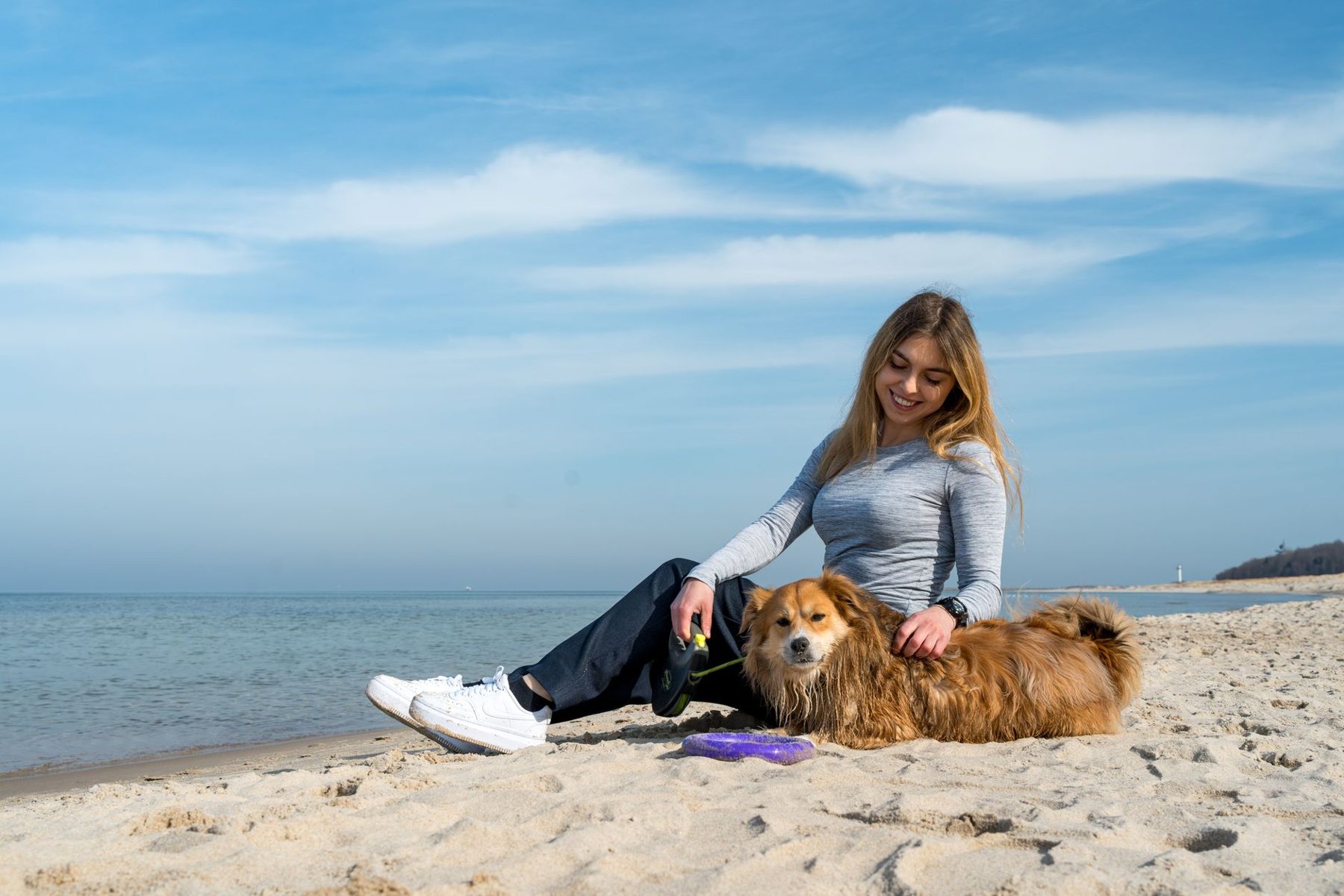

We train dogs from St. Pete Beach up to Clearwater, working in your home and neighborhood and early and late in the day to beat the heat. The goal is a dog your whole family can enjoy.
A St. Pete dog deals with things a dog in Ohio never sees, like sidewalk cafés on Central Avenue, golf carts, pelicans, beach crowds, afternoon thunderstorms, and hot pavement by 10 a.m. Training that works here has to account for all of that.
We train in the places your dog actually spends time, including your home, your lanai, your walking route, and parks where dogs are allowed. In summer we keep sessions early and late, and we adjust the work for flat-faced breeds and heavy coats that struggle in the humidity.
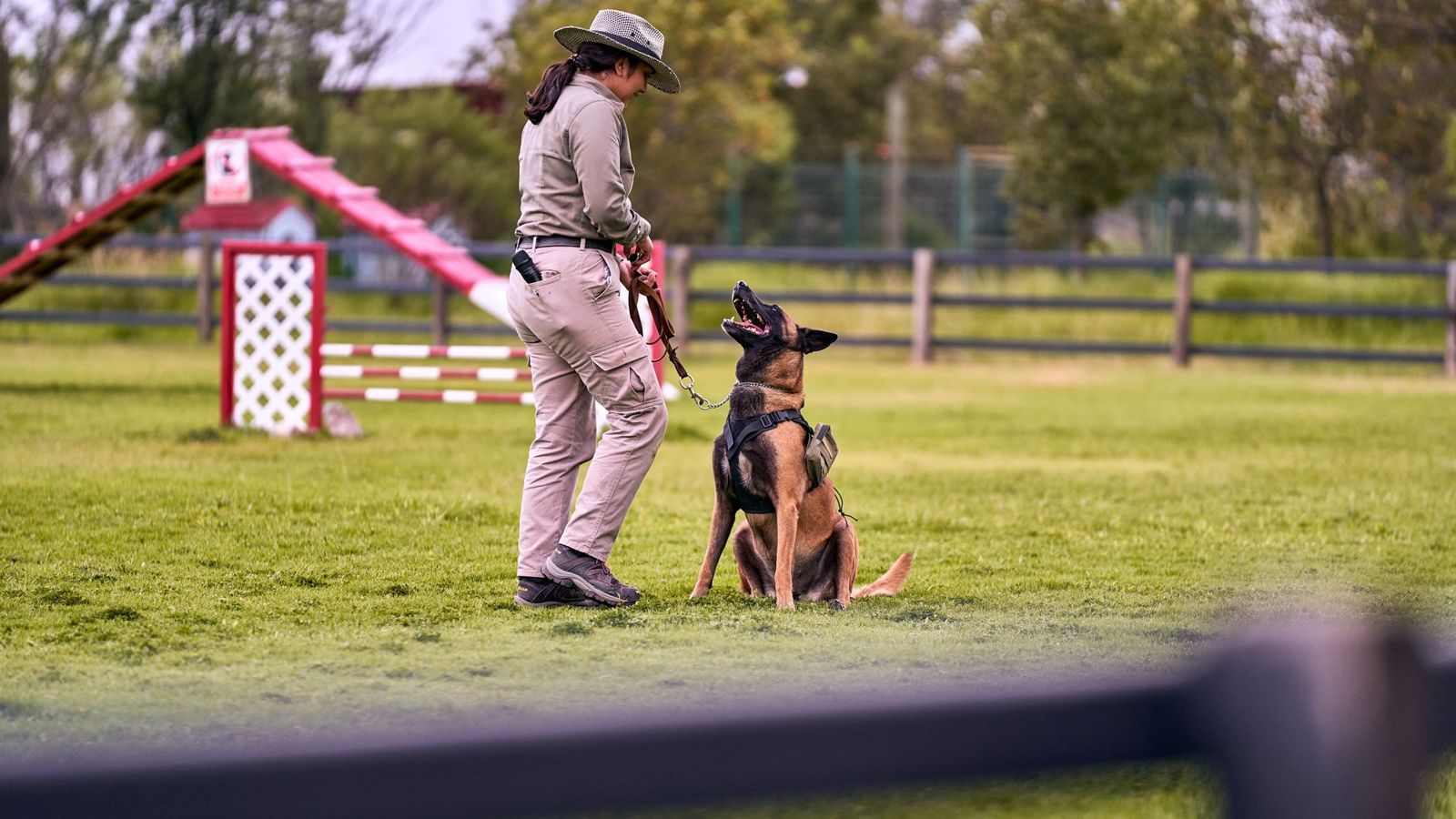
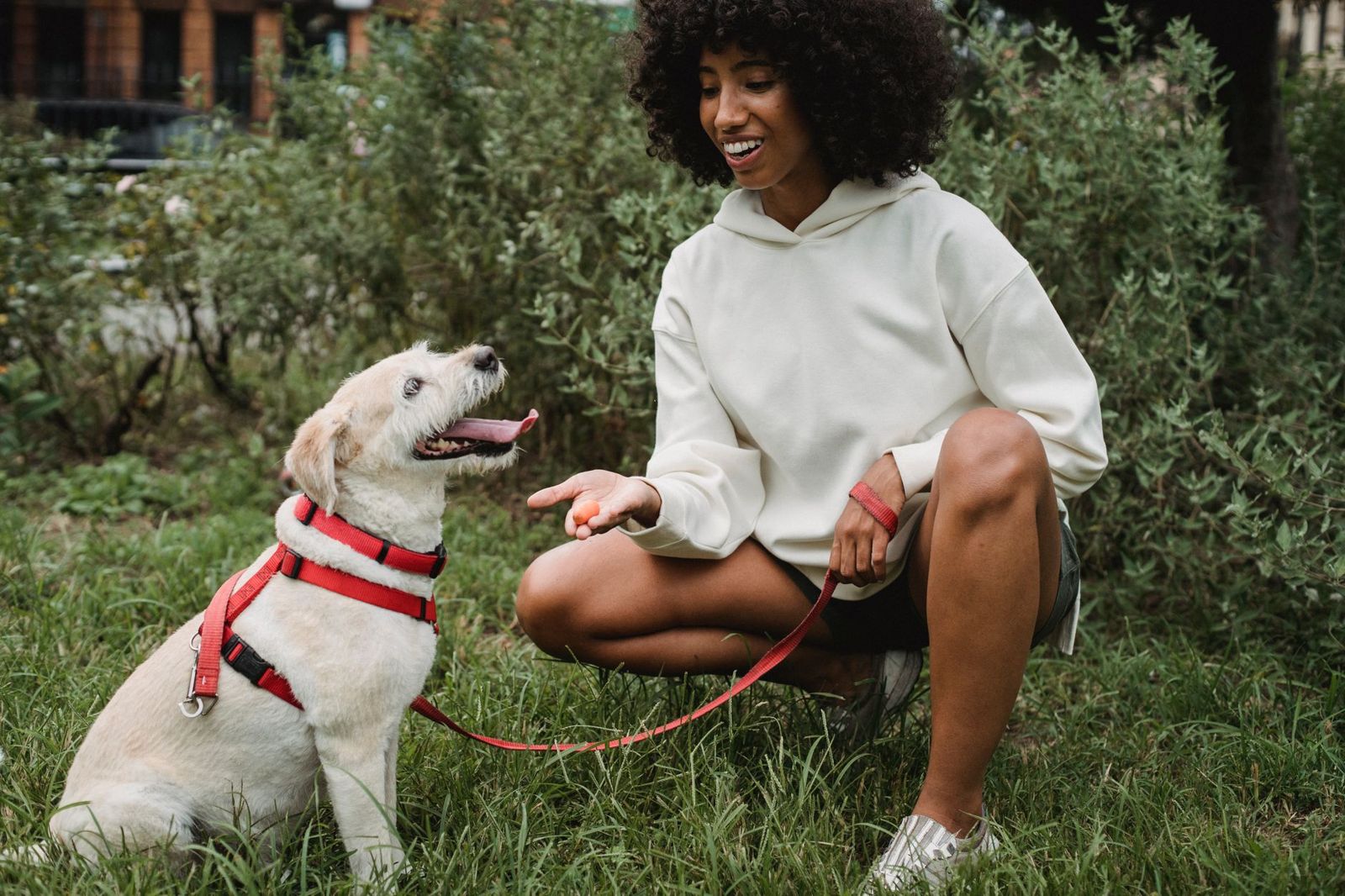
One-on-one work at your home on the problem that bothers you most, whether that is leash pulling, jumping, door dashing, or barking at every golf cart.
Ask about this
Potty training, crate time, biting, and handling, plus early calm around beach crowds, bikes, and pelicans.
Ask about this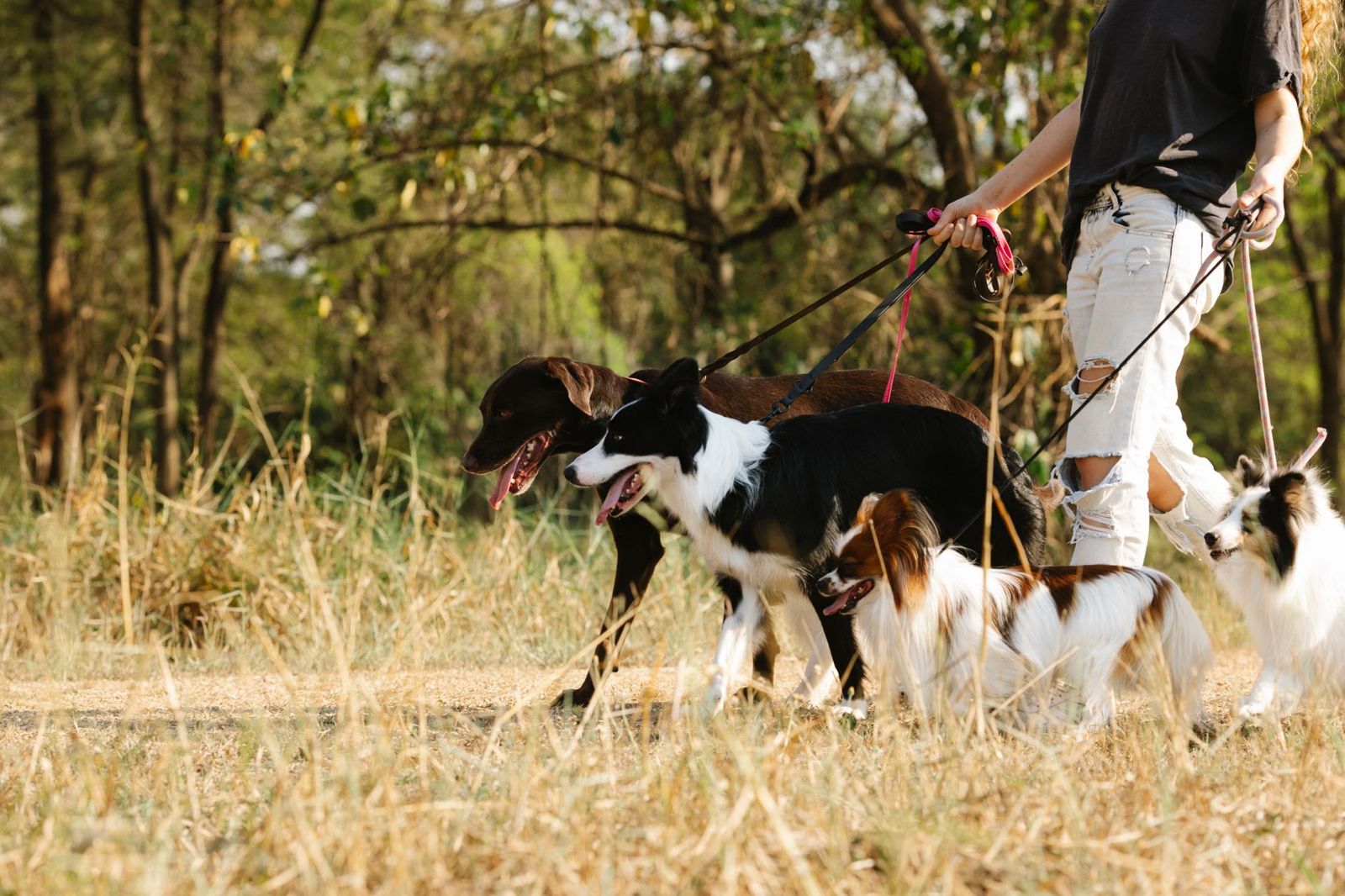
Sit, down, stay, and come when called, practiced around other dogs so it holds up at a busy park.
Ask about this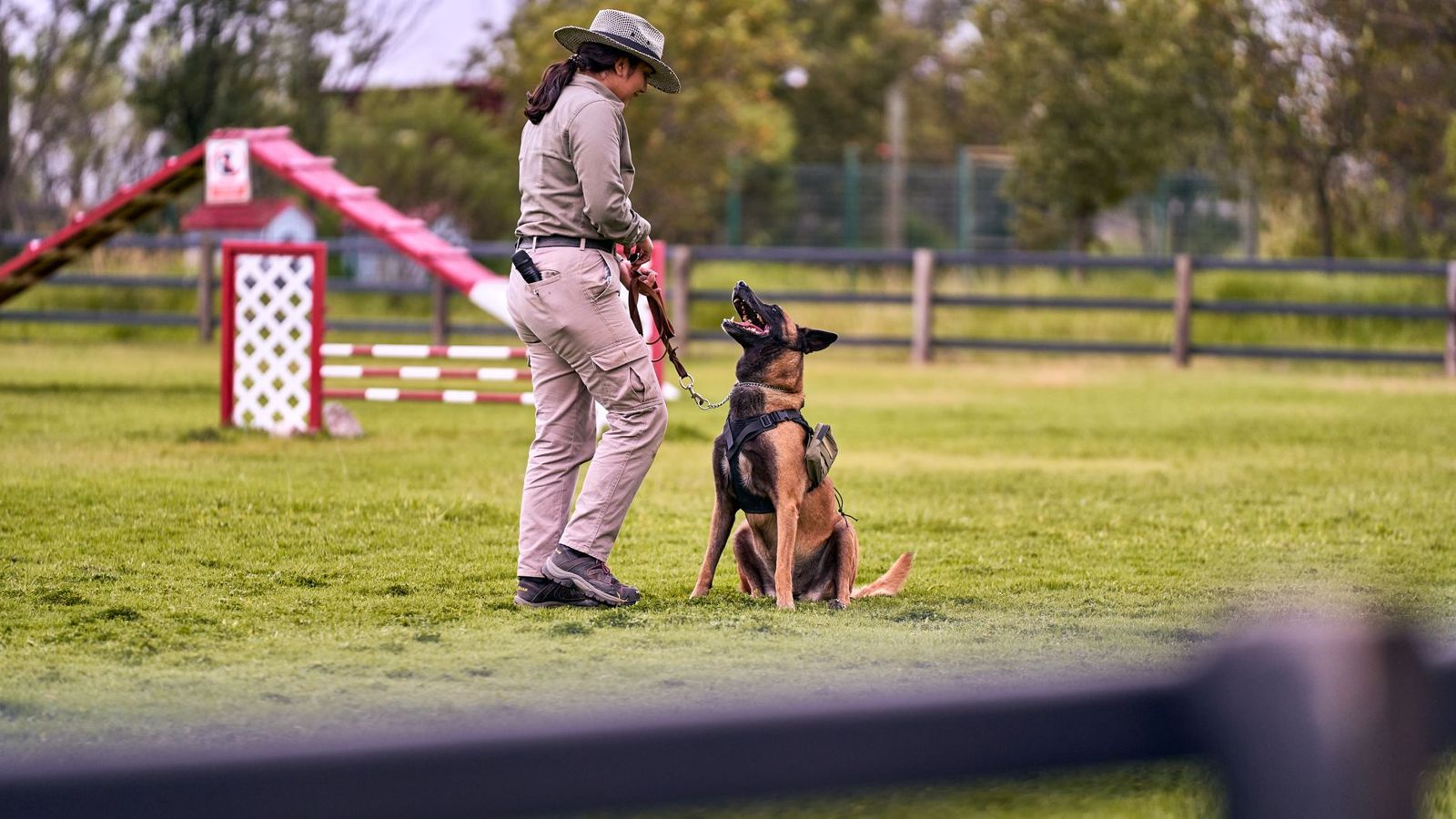
Your dog stays with a trainer for two to three weeks, and then we hand the skills back to you in follow-up lessons.
Ask about this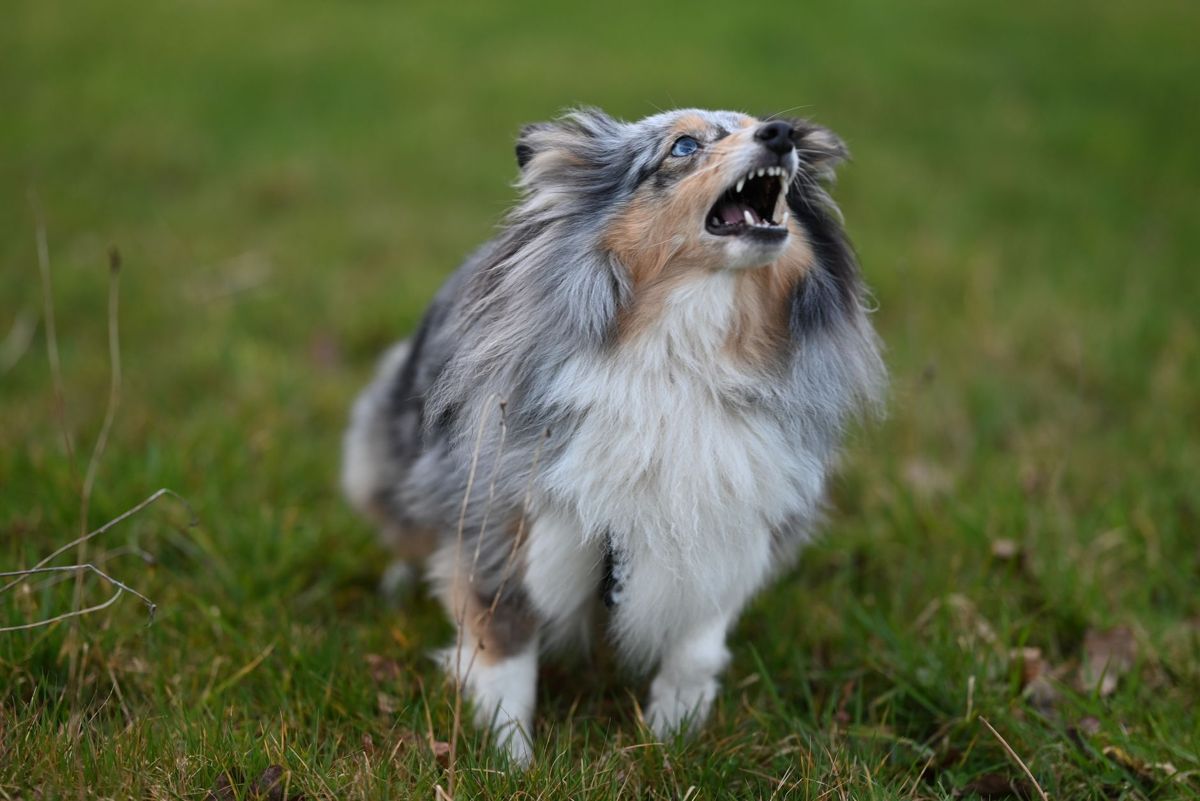
Reactivity, resource guarding, and fear. We start with an assessment and a plan, and we will tell you if you need a vet involved.
Ask about this
A set of visits built around your house, your lanai, and your walking route, so the training sticks where you actually live.
Ask about thisTraining is our focus, but owners always ask about the rest. Tap any of these and it goes into the same message.
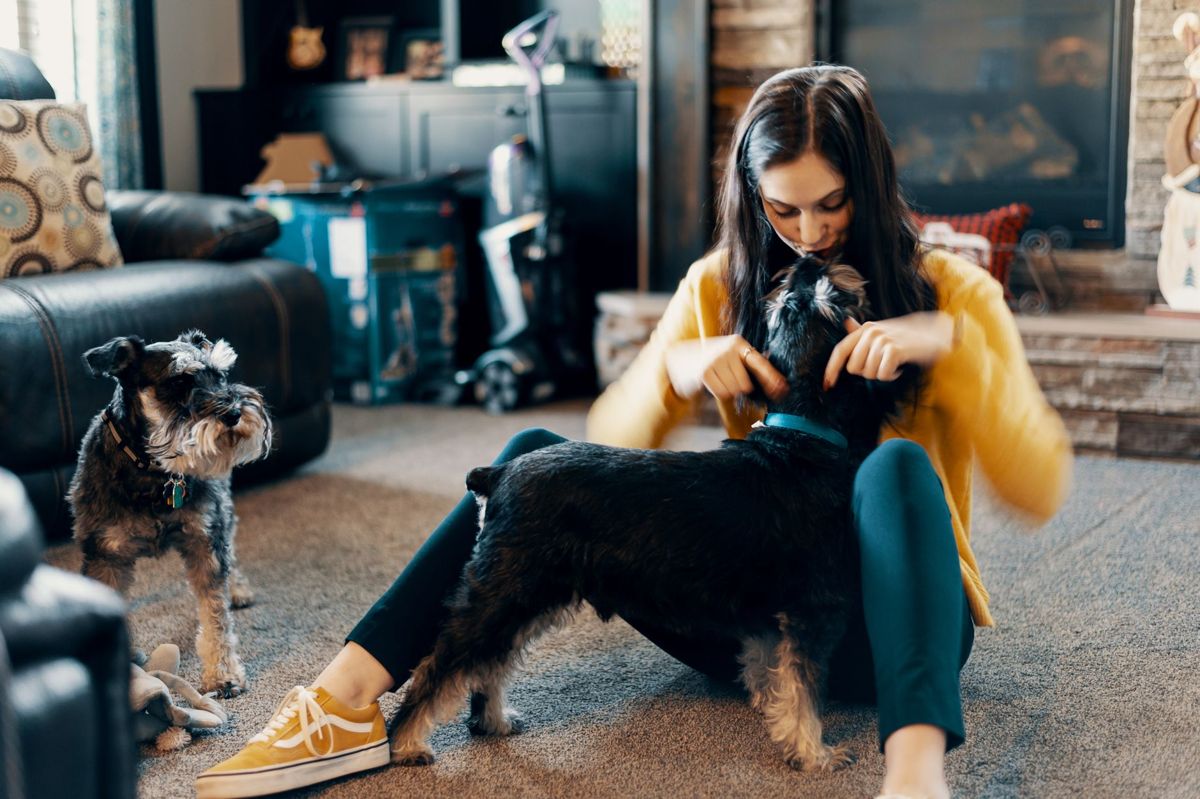
Heading out of town or waiting out a storm evacuation? Tell us your dates and your dog, and we connect you with a local sitter or boarding option, plus a quick refresher session when you get back.
Request info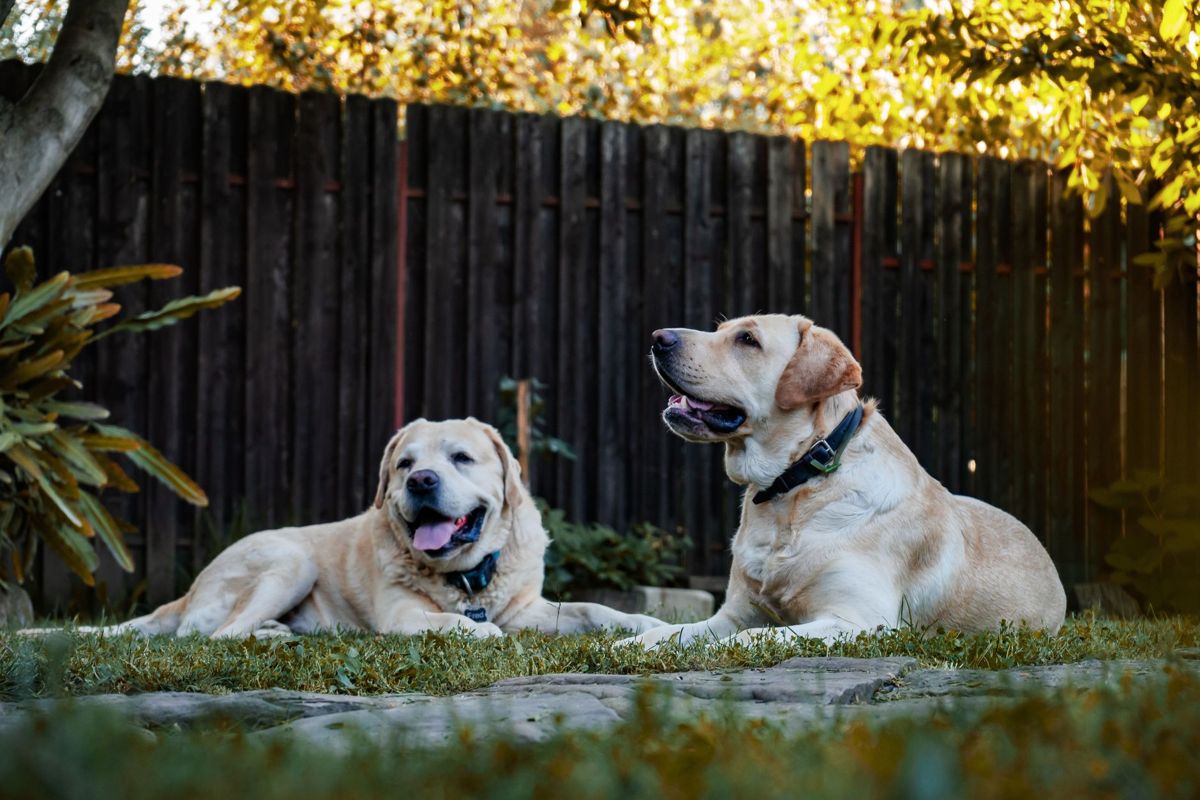
Many St. Pete yards are small, and some HOAs limit fence height. An invisible fence only works when the dog is trained to the boundary, and that training is what we do.
Request info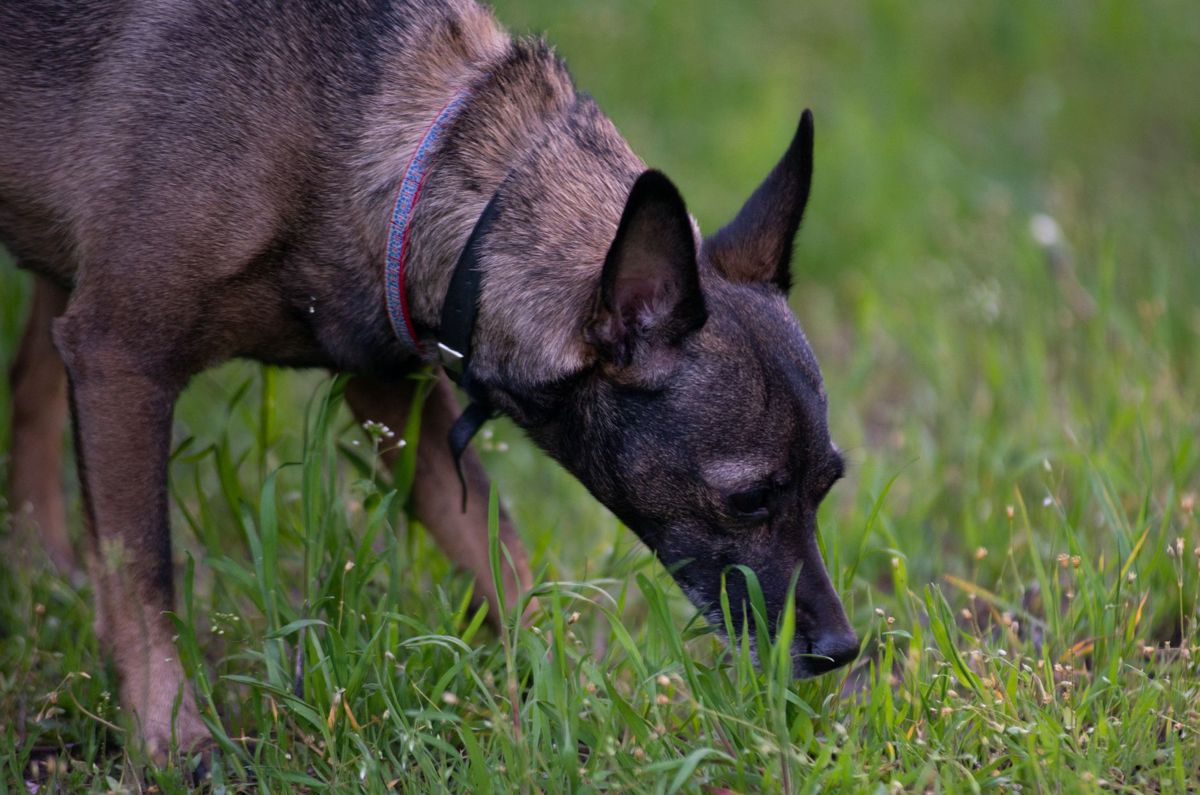
GPS collars help with runners and storm-season escapes. Ask which ones owners use here, and we will teach a reliable recall so you need the tracker less.
Request info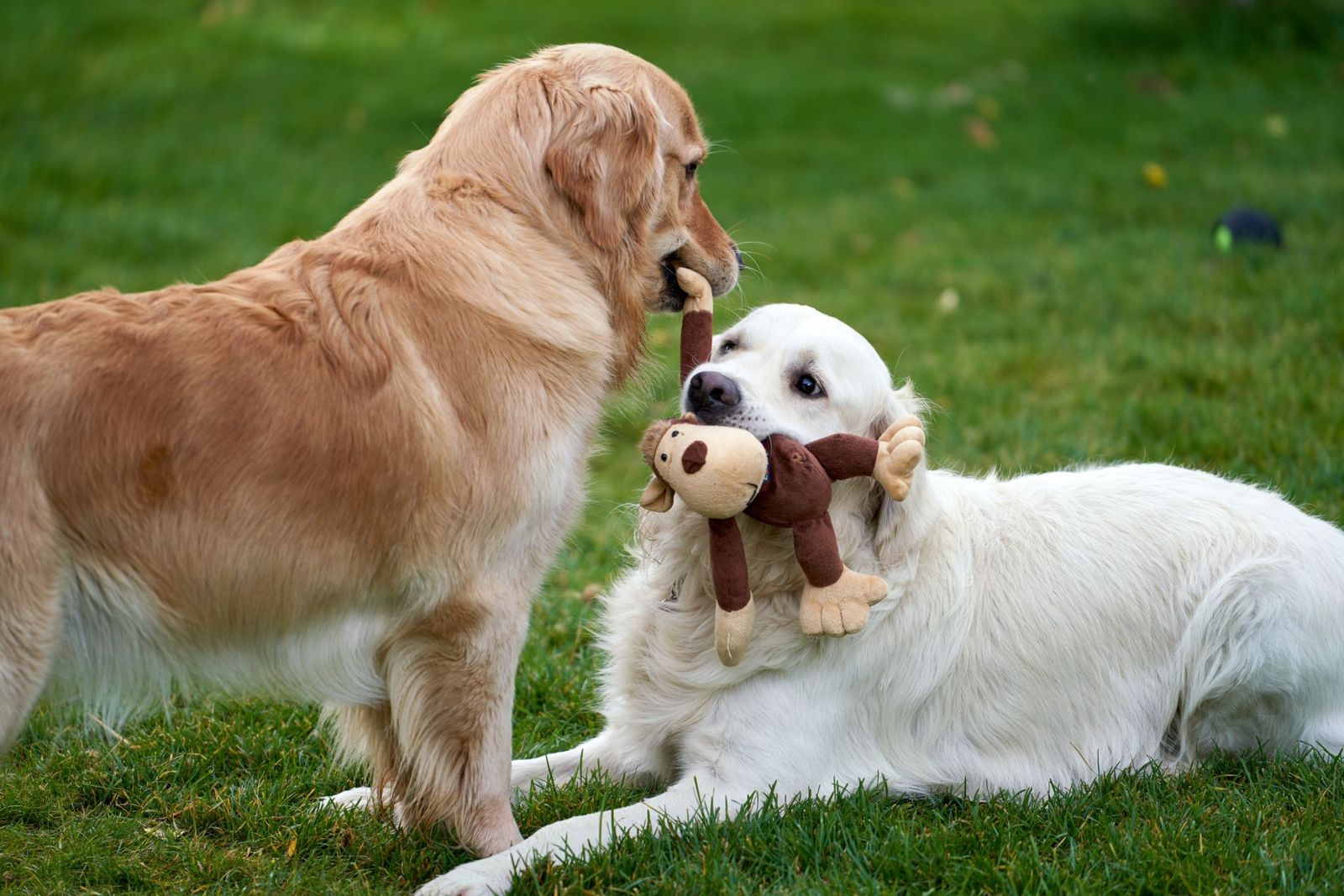
The right chew and the right training treat make homework easier. Ask what we use in sessions, and we will point you to local shops.
Request info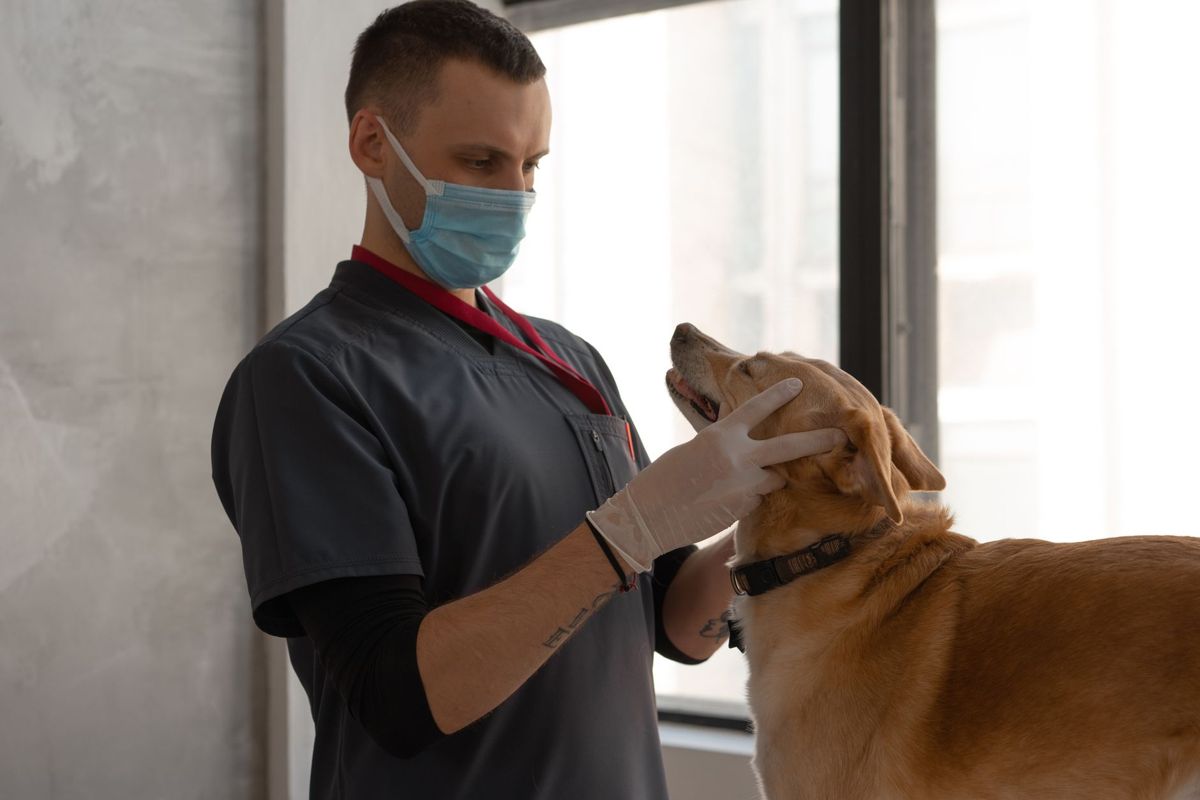
Behavior problems sometimes start with pain, allergies, or itching from fleas. If something looks medical, we will tell you to see a vet before we train through it.
Request infoThis guide covers which pets do well in St. Pete's heat and humidity and which ones struggle. It also explains which exotic pets Florida bans or requires a permit for, along with the county rules on licenses, leashes, and tethering.
Read the guideThis guide goes town by town through which beaches allow dogs, which ones don't, and where you can legally let your dog run off leash.
See the beach listWe cover St. Petersburg and the Pinellas beach towns north to Clearwater.
Mostly no. Treasure Island, Madeira Beach, Indian Rocks Beach, Gulfport, and Clearwater Beach keep pets off the sand, with service animals exempt. The legal options are the Paw Playground at Fort De Soto, the pet beach at Honeymoon Island, and a small bayside area in Pass-a-Grille in St. Pete Beach.
Yes. Pinellas County requires a county license tag for dogs and cats over four months old, and you need proof of a current rabies shot to get or renew it.
Not if we train early and late. We schedule sessions in the cooler morning and evening hours, keep water and shade close, and go easy on flat-faced breeds and heavy coats.
We focus on training. If you ask about boarding, an invisible fence, a GPS collar, or food and toys, we point you to a local option and set up the training that goes with it.
No. We train at your home, in your neighborhood, and at local parks where dogs are allowed.
Start by naming the behavior you want to change and the behavior you want instead. For example, a dog that jumps can learn to keep four paws on the floor when people arrive. A clear alternative gives everyone in the household something specific to reward. It also makes progress easier to notice than a broad goal such as having a better-behaved dog.
Training works best when the steps are small enough for your dog to succeed. If your dog barks at people passing the window, begin at a distance or with less activity, then gradually make practice harder. Moving too close too soon can lead to barking or lunging rather than learning. A trainer can help adjust the setup when your dog is struggling.
Ask what a training plan includes before you book. Find out how the trainer will assess your dog, what you will practice between sessions, and how progress will be reviewed. For behavior concerns, ask how the trainer handles situations where a dog appears frightened or overwhelmed. A careful plan should account for the dog’s comfort and the people who live with them.
In St. Petersburg, practice conditions can change quickly with noise, passing dogs, or sudden weather. Keep a session short if your dog is hot, distracted, or having trouble responding. A familiar indoor space can be a better place to learn a new cue before trying it in a busier setting. Your dog’s attention and comfort matter more than covering a set distance.
Choose the same cue words across the household. If one person says “down” for lying on the floor and another uses it to mean stop jumping, the dog gets mixed information. Agree on a small set of words, decide what each one means, and use them consistently. This is especially useful when children or visitors interact with the dog.
Reward the behavior you want as soon as it happens. A treat, a toy, or access to something the dog wants can reinforce a useful choice, depending on the dog and the situation. Keep rewards ready so you do not have to search for them after the moment has passed. If your dog has dietary restrictions, ask your veterinarian about suitable treats.
Training does not have to happen in one long session. A few brief repetitions during ordinary routines can help a dog practice waiting before going through a doorway or settling while the family eats. Stop while your dog is still able to focus. If the dog starts missing familiar cues, lower the difficulty or take a break instead of repeating the cue louder.
Set up the home so the dog has fewer chances to practice unwanted habits. A gate can limit access to a doorway, and a closed door can keep a dog away from tempting food or household items. Management is not a replacement for teaching, but it can prevent repeated rehearsals while you work on a safer, more reliable behavior.
Use a well-fitted harness or collar and a leash appropriate for the dog and the setting. Check that clips close securely and that the equipment does not rub or restrict breathing. Equipment can help keep a dog safe, but it does not teach a behavior by itself. If you are unsure what suits your dog, ask a trainer or veterinarian for guidance.
Give your dog room to move away from people and other dogs during practice. A tight leash and a close encounter can make it difficult for a worried dog to settle. Watch for signs such as turning away, repeated lip licking, stiff posture, or trying to hide. Create more distance and give the dog time rather than forcing an interaction.
Do not use a busy public area as the first test of a new skill. Begin where your dog can focus, then add distractions in manageable steps. If your dog cannot respond to a familiar cue, the situation may be too difficult right now. Move farther away or return to a quieter place and try again another day.
Keep a simple record of what happened during practice. Note the setting, the distance from distractions, what your dog did, and what helped. This can show patterns that are easy to miss from memory, such as a behavior occurring mainly near a particular doorway or at a certain point in a walk. Share useful notes with your trainer so the next steps fit your dog.
There is no single timeline. It depends on the behavior, how long it has been happening, the dog’s comfort in the situation, and how often the household can practice. Ask for clear milestones rather than a guaranteed finish date. Progress may be uneven, especially when the dog is learning around distractions.
It helps when the people who handle the dog understand the same cues and practice the same rules. If not everyone can attend, ask how to share the plan with them. Consistent responses make it easier for a dog to understand what earns a reward and what behavior is expected.
Have your dog’s usual leash or harness, rewards your dog can safely eat, and a short list of concerns ready. Tell the trainer about health issues, medications, bite history, or situations that worry your dog. That information helps shape a safer plan and avoids surprises during practice.
Treats are one way to reward behavior, but they are not the only option. Some dogs also value play, praise, or access to something they want. The reward should suit the dog and the moment. If food is part of the plan, account for treats in the dog’s daily diet.
Avoid letting a pulling dog drag you toward people, dogs, or other rewards, since reaching the target can reinforce pulling. Practice in a quiet area first and reward your dog for staying near you. If pulling is strong or creates a safety concern, get help choosing suitable equipment and a training plan.
Many older dogs can learn, though the pace and approach should fit their health and abilities. Pain, changes in hearing or vision, and reduced mobility can affect behavior. If a behavior changes suddenly or your dog seems uncomfortable, check with a veterinarian before treating it as a training problem.
Dogs do not automatically apply a skill in every setting. A cue learned in a quiet room may be difficult near traffic, other dogs, or unfamiliar people. Practice the same behavior in gradually more challenging places, and reward success at each step rather than expecting an immediate transfer.
No. A walk does not require greetings, and some dogs are uncomfortable meeting unfamiliar dogs on leash. Give other dogs space and ask before approaching. If your dog reacts, create distance and avoid forcing a greeting. A trainer can help you practice calm passing and decide what situations are manageable.
Tell us your dog's age, breed, and the one behavior you most want fixed. Pulling on the leash, jumping on guests, barking at the lanai door, and not coming when called are the usual starting points.
Asking about boarding, a fence, a GPS collar, or food and toys? Pick it from the list and we will point you to the right local option.
See the products we recommend in our Dog Shop. As an Amazon Associate we earn from qualifying purchases made through that page.
 ST. PETE